Introduction
As the end of the year approaches, businesses are busy closing their books and reconciling accounts. Unfortunately, this time presents prime opportunities for cybercriminals engaging in Business Email Compromise (BEC) scams. These scams target companies by impersonating executives or vendors to initiate unauthorized transactions, often through invoicing fraud. In 2023 alone, BEC scams cost businesses billions worldwide, making them one of the top threats in cybersecurity.
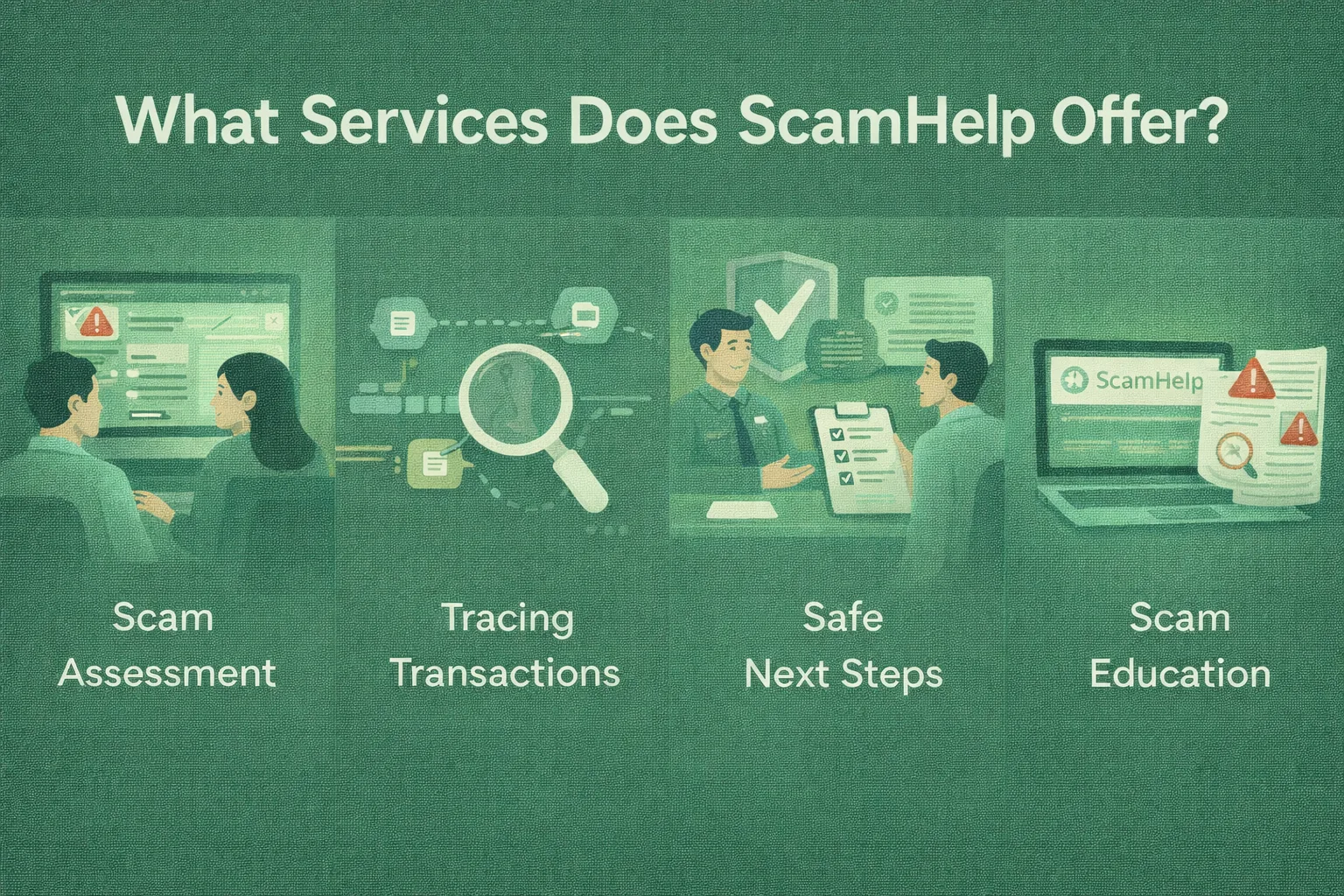
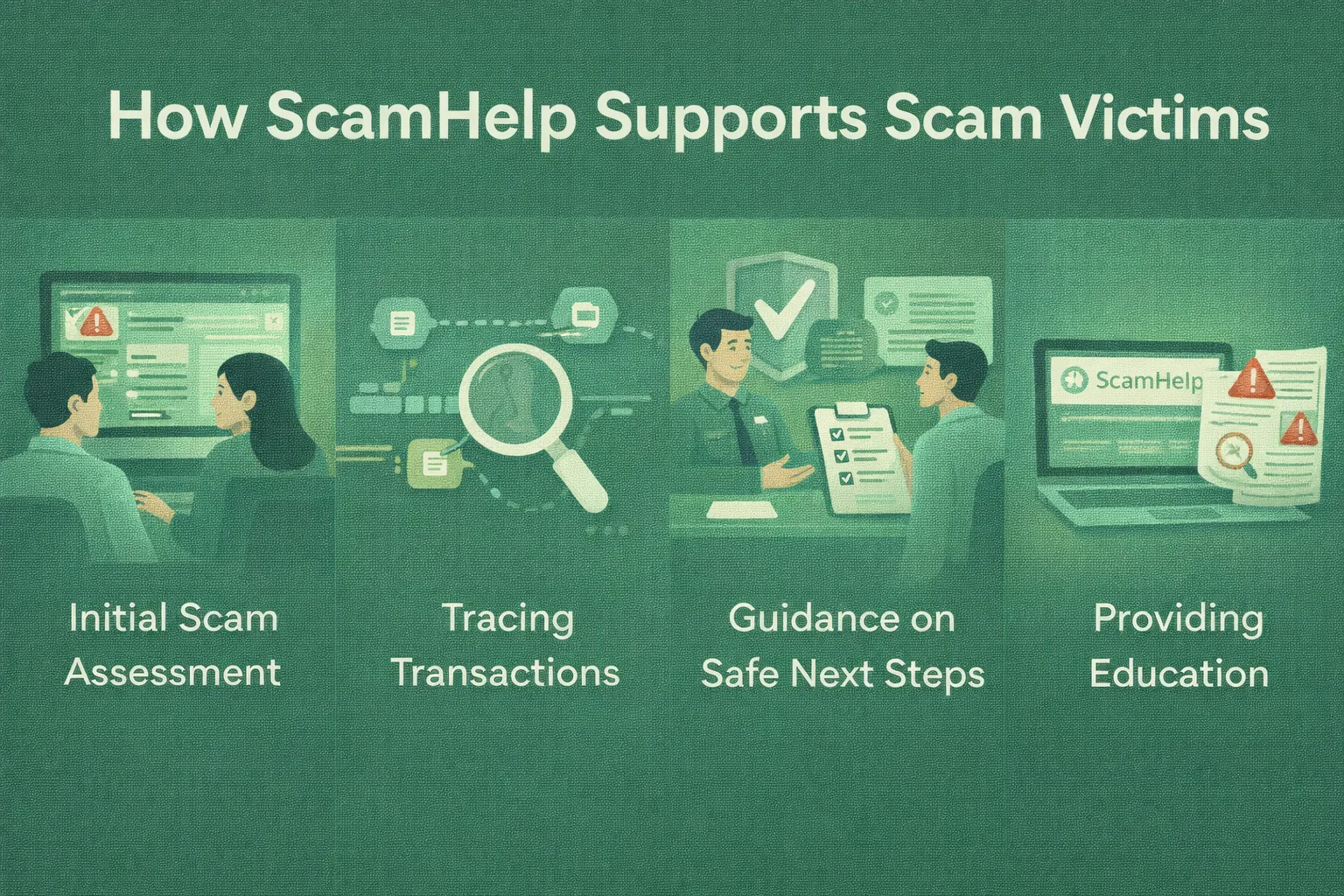
In this article, we’ll explain BEC scams, why they peak around year-end, and how companies can protect themselves. If your business has been impacted by a BEC scam, ScamHelp offers tailored services, including payment dispute support, crypto tracing, crypto fraud investigation, and complaint and escalation support.
What Are Business Email Scams?
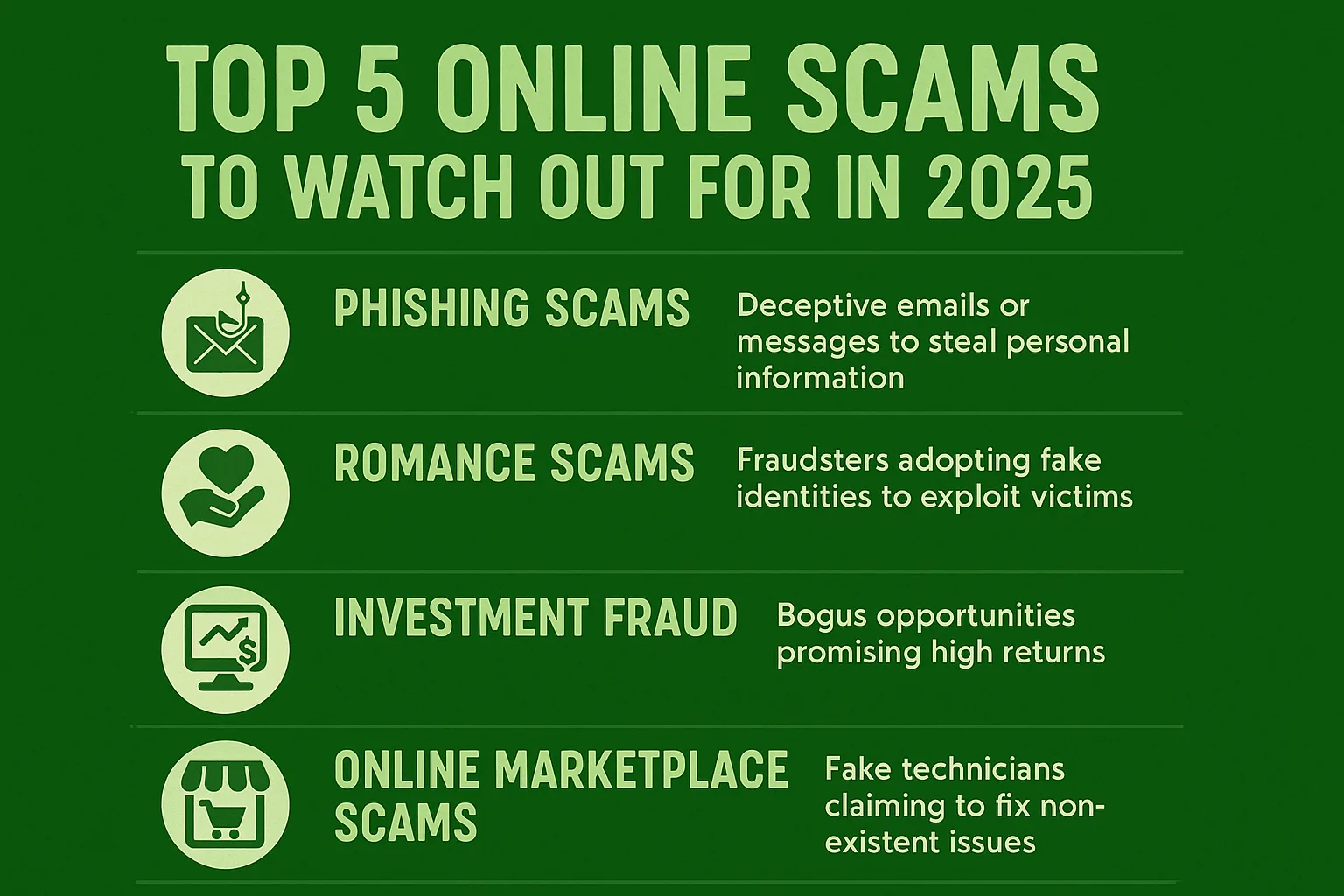
Business Email Compromise scams involve cybercriminals gaining unauthorized access to company emails or impersonating contacts to deceive employees and initiate fraudulent financial transactions. BEC scams commonly target individuals in finance, HR, and executive roles who handle sensitive data or have financial control.
These scams use social engineering to manipulate victims into transferring funds, sharing sensitive data, or approving unauthorized invoices. BEC scams differ from phishing as they usually involve highly targeted attacks, making them harder to detect and prevent.
Why End-of-Year Invoicing Fraud Spikes
November and December see a spike in BEC scams due to the heavy load of invoicing, payments, and year-end transactions. Cybercriminals exploit this environment by posing as legitimate vendors or using compromised emails to send fake invoices. When companies are processing high transaction volumes under tight deadlines, they become more vulnerable to scams.
Recognizing BEC Scams: Common Red Flags
Knowing the typical signs of BEC scams can help protect your business. Here are key indicators:
- Unexpected Invoice Requests: Receiving invoices from unfamiliar vendors or sudden changes to known vendor details.
- Urgent Language: Scammers often pressure recipients to make immediate payments with phrases like “urgent” or “immediate attention required.”
- Changes in Payment Details: Fraudsters may ask you to change payment details for regular vendors, directing payments to fraudulent accounts.
- Subtle Email Alterations: Slight changes in the sender’s email address, such as replacing an “i” with a lowercase “L” (e.g., “exampIe.com” vs. “example.com”).
- Odd Timing: Emails or invoices sent outside of typical business hours can be a red flag.
To minimize your risks, consider ScamHelp’s expert anti-fraud services.
How to Protect Your Business from BEC Scams
Protecting your organization requires a proactive, multi-layered approach. Here’s what you can do:
- Implement Strong Authentication: Require multi-factor authentication (MFA) for access to sensitive email accounts.
- Employee Training: Educate employees on BEC tactics and red flags with regular training sessions.
- Verify Payment Requests: Institute a verification process for any payment or change in payment information, ideally via phone or video calls.
- Restrict Email Forwarding: Limit the ability to auto-forward emails, which cybercriminals often exploit.
- Monitor and Report Suspicious Activity: Ensure your security team monitors for unusual account access and activity.
Q&A: Common Questions About BEC Scams
Q: How does BEC differ from other phishing scams?
A: Unlike generic phishing attacks, BEC scams are highly targeted. Criminals often study company hierarchies to impersonate specific people, increasing the scam’s success rate.
Q: If we detect a BEC attempt, should we engage with the sender?
A: No, avoid engaging with suspected scammers. Report the email to your IT team and isolate it. ScamHelp offers assistance with investigations if you’re concerned about potential breaches.
Q: Can lost funds be recovered in a BEC scam?
A: Outcomes vary by case and are not guaranteed. Many fraud victims have rights to dispute or complain; we assess whether they apply to your case.
Q: What should we do if a payment was mistakenly sent to a scammer?
A: Act quickly. Inform your bank and legal counsel immediately, and consult a licensed private investigation agency specialising in online fraud, like ScamHelp. Swift action is essential for stopping further loss and potentially retrieving funds.
ScamHelp Services: Defend Your Business from BEC Scams
BEC scams can devastate businesses financially and reputationally. At ScamHelp, we offer a range of anti-fraud services to help you detect and respond to BEC attacks:
- Payment Dispute Support: We prepare the evidence and complaints your bank or exchange needs to review your case.
- Crypto Tracing: Our crypto experts use advanced software to trace fraudulent crypto transactions.
- Complaint and Escalation Support: We prepare evidence packages and complaints for banks, card issuers, financial ombudsman services and regulators.
- Crypto Fraud Investigation: We provide detailed investigations into crypto fraud, leveraging advanced tools and years of experience.
Additionally, our partnership with Cybera.io offers clients access to a state-of-the-art scam reporting platform. Integrating advanced anti-money laundering intelligence, Cybera provides powerful tools for protecting against internet crimes. ScamHelp and Cybera together offer a comprehensive approach to safeguarding your business.
Why Choose ScamHelp?
Our team at ScamHelp includes investigators and case managers experienced in fraud and anti-money-laundering cases. Our crypto specialists use cutting-edge tracing software and hold certifications in blockchain analytics. Contact us today for a free consultation with an anti-fraud expert at scamhelp.net/contact-us.