
Common Scams
Knowledge is your first line of defence. Learn how the most common types of online fraud work, the warning signs to look for, and what to do if you have been targeted.
Forex scams
The foreign exchange (forex) market is the world's largest financial market, open around the clock on weekdays. Its size and constant price movements make it attractive to fraudsters, who set up unregulated brokers and trading platforms promising high or guaranteed returns. Typical forex fraud shows fake profits on screen, encourages ever larger deposits, and then blocks withdrawals or demands extra fees.
Warning signs: the broker is not registered with a financial regulator in your country; you are promised fixed or guaranteed returns; an "account manager" pressures you to deposit more; withdrawals are refused unless you pay fees or taxes first.
What to do now: stop all payments; contact your bank or card issuer immediately; report the scam to the police and your national fraud reporting centre; keep all records, including transaction IDs, wallet addresses, screenshots and messages.

Binary option scams
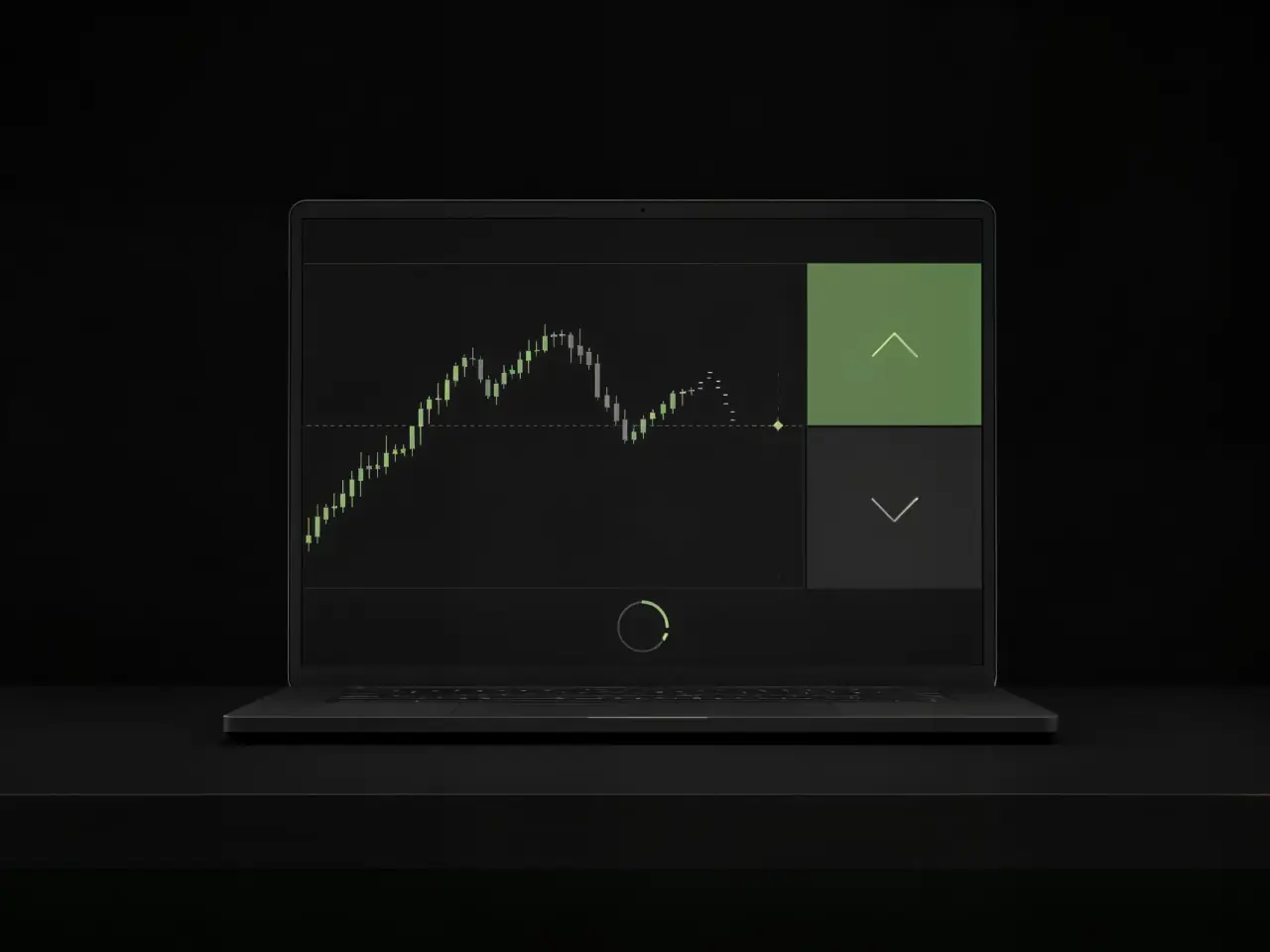
Scams are extremely common in the field of binary options. When new financial instruments or forms of trading emerge, a whole range of businesses tend to get involved and some of those product providers are more trustworthy than others. This is certainly true of binary options, these platforms tend to operate under the radar.
A binary option is a type of options contract where the payout depends entirely on the outcome of a yes/no proposition, typically related to the price of a particular asset such as a stock or a commodity. With binary options you don't actually buy stock or commodities you just bet on its price within a certain time period. Some binary options are listed on registered exchanges or traded on a designated contract market and are subject to oversight by U.S. regulators such as the Commodity Futures Trading Commission (CFTC), however a large part of the binary options market operates through websites that don't comply with U.S. regulations or any Financial Regulatory Authorities.
In the EU, selling binary options to retail clients has been prohibited since 2018, so a platform offering them to EU consumers is a warning sign in itself.
Warning signs: the platform is based offshore or names no regulator; trades always seem to lose at the last moment; bonuses come with conditions that block withdrawals; you cannot reach anyone once you ask for your money back.
What to do now: stop all payments; contact your bank or card issuer immediately; report the scam to the police and your national fraud reporting centre; keep all records, including transaction IDs, wallet addresses, screenshots and messages.
Cryptocurrency scams
Cryptocurrency fraud usually starts with an offer that looks like an investment opportunity: a trading platform, a mining scheme or a "crypto expert" met online. Victims are persuaded to buy crypto and send it to wallets or platforms the scammers control. Because many victims first buy crypto by card or bank transfer, the payment trail often starts at a regulated bank or exchange, which is why records of every transaction matter.
Warning signs: unsolicited contact on social media or messaging apps; promised fixed or guaranteed returns; pressure to deposit more to "unlock" a withdrawal; instructions to install remote-access software; a platform not listed with any financial regulator.
What to do now: stop all payments; contact your bank or card issuer immediately; report the scam to the police and your national fraud reporting centre; keep all records, including transaction IDs, wallet addresses, screenshots and messages.

Online casino scams
Unlicensed online casinos and betting sites may refuse withdrawals, freeze accounts after a win, or charge hidden fees. Some are set up only to collect deposits and card details. Before playing, check that the operator holds a licence from a recognised gambling regulator. ScamHelp does not assist with recovering ordinary gambling losses at licensed operators.
Warning signs: no licence number, or one you cannot verify with the regulator; withdrawals delayed with repeated new document requests; bonus terms that make withdrawals impossible; customer support that disappears after a large win.
What to do now: stop all payments; contact your bank or card issuer immediately; report the scam to the police and your national fraud reporting centre; keep all records, including transaction IDs, wallet addresses, screenshots and messages.

Fake exchange scams
Fake crypto exchanges copy the look of real platforms. They show your deposits and a growing balance, but the funds never reach a real trading account, and withdrawals are blocked or made conditional on further payments. When the scammers have collected enough, the site disappears.
Warning signs: the exchange was recommended by someone you met online; the web address is slightly different from a known exchange; you must pay a "tax" or "verification fee" to withdraw; the app is not in the official app stores.
What to do now: stop all payments; contact your bank or card issuer immediately; report the scam to the police and your national fraud reporting centre; keep all records, including transaction IDs, wallet addresses, screenshots and messages.

Investment scams
Fake investment platforms promise high or guaranteed returns to attract deposits. They often show convincing dashboards and pay out small early withdrawals to build trust, then delay larger withdrawals, invent fees or freeze accounts. Scammers may also use the opportunity to collect personal and identity documents.
Warning signs: returns that are far above market rates; pressure to decide quickly; requests to keep the investment secret; a company you cannot find in an official register.
What to do now: stop all payments; contact your bank or card issuer immediately; report the scam to the police and your national fraud reporting centre; keep all records, including transaction IDs, wallet addresses, screenshots and messages.

Other scams
Unwanted emails and messages bombard us on a regular basis. Many people ignore, delete or toss junk mail in the rubbish knowing that these messages are most likely mass-market scams. Scammers will often use persuasion techniques such as pretending to be a legitimate business and using local area codes to build trust and familiarity. They make time-sensitive claims to increase urgency. Some use images of money or prizes and even pictures of past "winners", these are typical 'Phishing Scams'.
Others use legal-sounding text to create the perception of a legitimate company. People are generally most vulnerable in situations such as a sudden loss of regular income or in the case of impending retirement. If you have been contacted by someone with a quick solution to your most critical financial situation and they require personal information or payments from you, it is advisable to stop immediately.
What to do now: stop all payments; contact your bank or card issuer immediately; report the scam to the police and your national fraud reporting centre; keep all records, including transaction IDs, wallet addresses, screenshots and messages.

Recovery scams
After a scam, victims are often contacted by people offering to get their money back, sometimes posing as lawyers, regulators or recovery firms. A legitimate firm publishes its fees, gives you a written agreement before you pay anything, and never asks for payment to release funds.
Warning signs: they contact you first; they promise a guaranteed recovery; they ask for upfront "release fees", taxes or payment in crypto; they cannot show a licence and company registration you can verify yourself.
What to do now: stop all payments; contact your bank or card issuer immediately; report the scam to the police and your national fraud reporting centre; keep all records, including transaction IDs, wallet addresses, screenshots and messages.
Our mission
Know which options apply to you
We understand how stressful a financial loss is. Most fraud victims don't know which rights apply to them or how to use them: card chargebacks, wire recalls and complaints to banks and ombudsman services each have their own rules and deadlines. We investigate each case to establish which options apply and help clients present their case properly.
Get a free, confidential case assessment
Tell us what happened. Our investigators will review your case and tell you honestly whether we believe we can help.
Thank you, your details have been received
Our team will review what you have told us and respond within 48 hours. Please also check your spam folder for our confirmation email, which comes from an @scamhelp.net address.